Starting to invest when you have only a little money can feel scary at first. But it’s one of the best things you can do for your future. Good news: you don’t need a lot of cash to begin.
Many places let you start with just $5 or $10.
The trick is to choose safe, easy options that help your money grow slowly over time, without a big risk of losing it.
Putting money in investments is way better than leaving it in a normal bank account. There, it grows very little, and prices going up (that’s called inflation) can make it worth less over time.
What is Investment ?
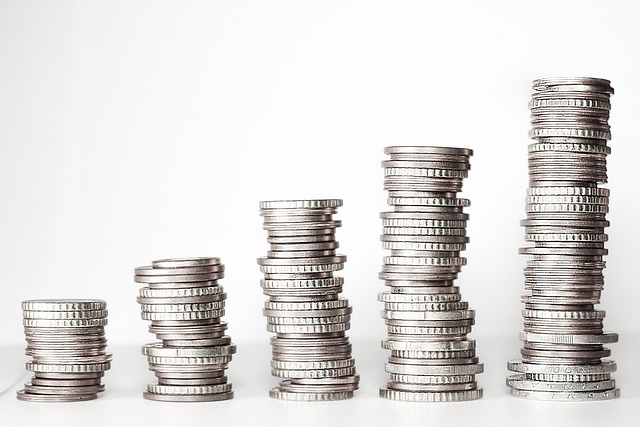
Investment is when you use your money to buy something that you hope will grow in value or give you more money over time, instead of spending it all right away on things like toys or candy.
For example, you might put money into a bank savings account where it slowly earns a little extra money called interest, or you could buy shares in a company (like owning a tiny piece of it) so that if the company does well and makes more profit, your shares become worth more and you can sell them for a higher price later.
People invest to help their money grow for future needs, like buying a house, paying for school, or having enough to live comfortably when they get older and stop working.
In simple words, investing is like planting a seed with your money today, taking care of it, and waiting for it to grow into a bigger tree that gives you more fruits in the future.
Of course, there’s always some risk—sometimes the seed might not grow as much as you hope, or it could even shrink a bit—but many people invest carefully to build wealth over time.
Why Investment is Important ?
Investing is important because it helps your money grow bigger over time, instead of just staying the same.
If you only keep your money in a bank savings account or at home, it slowly loses its power to buy things.
Why?
Because prices of food, clothes, and everything else go up a little every year—this is called inflation. Your money needs to grow faster than prices go up.
When you invest, you put your money into things like company shares (stocks), bonds, or property. These can make extra money for you through profits or by becoming worth more later.
It’s like planting a small seed today that grows into a big tree giving you lots of fruit in the future.
Investing helps you reach big dreams, like buying a house, paying for your children’s school, going on nice trips, or living comfortably when you stop working. Just saving money is often too slow for these goals.
It also gives you safety. Unexpected things can happen, like losing a job or getting sick. Having investments means you have extra money ready to help.
The best part? If you start investing early, even with small amounts, your money can grow a lot because of something called compounding.
That’s when the extra money you earn starts earning even more extra money.
In simple words, investing is like giving your money a job. Instead of doing nothing, it works for you and helps make your future life easier and happier.
Should You Invest in 2026 ?
Yes, putting money into investments in 2026 can be a good idea for most people, but it depends on your own life and what you want.
Right now (end of 2025), many experts feel good about next year. They think the big American stock market could go up between 5% and 20%. Why? Because:
- Companies are making more money.
- Computers and AI are still exciting and helping businesses.
- Bank interest rates are coming down a bit, which makes borrowing cheaper.
- The economy looks okay – no big crash is expected.
America seems stronger than many other countries, so U.S. stocks might do better than stocks from other places.
But remember: nothing is 100% sure.
Prices can drop fast if something unexpected happens, like prices of things going up again, countries arguing about trade, or the AI excitement cooling off. Some tech companies already cost a lot, so there could be some ups and downs.
The most important thing: think about the long run. Over many years, the stock market usually goes up, even after bad times.
If you are saving for something far away (like when you stop working), putting money regularly into simple funds that follow the whole market has worked well for most people in the past.
If you might need the money soon or you get very worried when you see it go down, keep it in safer places like a savings account or bonds.
My easy advice:
- Don’t try to guess the “best” time. Just add money little by little, every month or so.
- Spread your money in different things so one bad thing doesn’t hurt everything.
- Only use money you won’t need for at least 5–10 years.
- If you’re not sure, talk to someone who knows about money (a financial helper).
Investing is not about getting rich super fast. It’s about letting your money grow slowly and safely over time. That’s how most normal people build wealth.
Can You Build Your Wealth Investing Little Money ?
Yes, you can grow a lot of money even if you start with just a little bit. You don’t need to be rich to begin.
The trick is to start small, keep doing it regularly, and give your money a long time to grow.
Here’s how it works in very simple words:
Your money can make new money all by itself. When you invest, you earn a little extra (like interest or profit).
Then that extra money also starts making more money. It’s like a snowball: it starts tiny, but as it rolls, it gets bigger and bigger.
For example: If you save just $50 every month and invest it in something safe like the whole stock market (through cheap funds), and it grows about 7% a year on average (that’s normal over many years), after 30 or 40 years that small saving can turn into hundreds of thousands of dollars. Most of the money comes from growth, not from what you put in.
How to do it with little money today:
- Open a free or very cheap investment account on an app (like Robinhood, Fidelity, Vanguard, or Acorns). Many let you start with $5 or $10.
- Put in a small amount every month — even $20 or $50 — automatically from your bank.
- Buy something simple called an “index fund” or “ETF” that follows the whole stock market (examples: VOO or VT). These are safe over the long run and cost almost nothing.
- If your job has a retirement plan (like 401(k)), use it. Sometimes your boss adds free extra money when you save — that’s like getting paid more.
- Don’t touch the money for many years. The market goes up and down, but over a long time it almost always goes way up.
Real people have done this: Some teachers, drivers, and office workers saved small amounts every month, invested simply, and ended up with a million dollars or more when they retired.
They didn’t win the lottery or get huge salaries — they just started early and kept going.
The most important things:
- Start now (even with very little). Time is your best friend.
- Keep adding a little whenever you can.
- Don’t take the money out when the market drops — just wait.
You don’t need to be smart about picking stocks or watching the news every day. Just save a little, invest simply, wait a long time, and let the snowball grow.
Anyone can do this. The sooner you start, the bigger it can get.
Best Investment for Beginners with Little Money
If you’re new to putting money into investments and only have a small amount to begin with in 2026, that’s completely fine—lots of successful investors started with just a little, like $20 or $50. You don’t need a big sum to get going.
Many phone apps and online accounts let you start with almost nothing, and some even allow buying tiny parts of investments.
The secret is to begin soon, add money little by little over time, and pick easy, low-risk choices first.
Always save some money in a simple bank account for emergencies (aim for 3-6 months of expenses) and clear any debts with high interest, like credit cards, before investing. Only invest cash you can leave untouched for several years.
High-Interest Savings Accounts
For people just starting or who worry about losing money, a high-interest savings account is a great choice.
These work like normal savings but give you more interest—right now in December 2025, top ones offer up to 5.00% per year.
Your money is fully protected by the government (up to $250,000), it grows without any chance of losing value, and you can take it out whenever you need.
Online banks like Varo or others usually have the highest rates, no extra fees, and you can open one with very little or nothing upfront.
For example, $1,000 at 5% could earn you $50 in a year without any work. This is ideal for money you’ll need soon or to feel safe while learning more.
Index Funds and ETFs
When you’re ready for potentially higher growth over many years, consider index funds or ETFs that follow the whole stock market.
These are collections of many companies’ stocks, so your money is spread out—one bad company won’t hurt much.
They have tiny fees and have grown around 7-10% per year on average over long times. Good simple ones track big groups like the top 500 U.S. companies.
Apps from places like Vanguard, Fidelity, or Schwab let you start with just $1 and buy small pieces. Add money regularly to buy more when prices are low—this helps even out the ups and downs.
Avoid trying to choose single companies at first; that’s harder and riskier for newcomers.
Boost Your Savings with Retirement Accounts
To make your money grow even better, use special retirement accounts.
If your work has a 401(k) and matches some of what you put in, always add enough to get that free match—it’s extra money from your boss.
Or open a Roth IRA yourself; your growth can be free from taxes when you retire. In 2026, limits are higher, and places like Fidelity or Vanguard have no starting minimums.
Put your money into those same low-fee index funds inside these accounts for big benefits over time.
Certificates of Deposit (CDs)
For something safer than regular savings but with a bit more interest, try Certificates of Deposit.
You promise to leave your money for a fixed time (like 6 months or a few years) and get a set higher rate—currently up to around 4.5%.
They’re government-protected too.
If you withdraw early, there’s a small penalty. A helpful way is to split money into several CDs ending at different times (called laddering) so you always have some available.
Super Safe Government Options: Treasury Securities
The safest of all are U.S. Treasury bills, notes, or bonds. These are backed fully by the government, so no risk of losing your main money.
Yields are around 4% for many right now. Buy them straight from the government website with as little as $100, no fees, and some interest is tax-free at state level. Great to mix with other investments for balance.
Robo-Advisors
If you want investments without doing much work, robo-advisors are awesome for starters.
You answer a few questions about your goals, and the app builds a mix of funds for you, adjusts it automatically, and keeps fees low (often under 0.35%).
Many start with $0 or very little, like Betterment or Wealthfront. It’s like having a helper manage things for you.
REITs
To get into real estate easily, try Real Estate Investment Trusts (REITs). These let you own parts of big buildings or properties through shares you buy like stocks.
Many give regular payments, and you can start small with fund versions. It adds variety but can go up and down with the market.
My Opinion – Choose low-fee options always—small fees add up. Add money automatically each month, even small amounts.
Stay patient; markets have good and bad times but grow over years. Skip chasing quick wins or risky things early on.
Rates on safe options are good now but can change, so check often. Start with what makes you comfortable, learn as you go, and watch your money build steadily. You can do this!
Read More
Conclusion
The best investment is one you start right now and keep adding to over time. Even tiny amounts can grow a lot because of something called compounding (your money makes more money on its own).
Be patient, learn a bit as you go, and add what you can when you can. You’re taking a great step for your future – you can do this! Rates and options can change, so check the latest when you’re ready.
FAQs
Here are answers for beginners investing with little money in the USA (2026):
What Are The Best Investments For Beginners With Little Money In The Usa ?
High-yield savings (safe, 4-5% interest), index funds/ETFs (cheap, grow over time), and Roth IRA or 401(k) for retirement.
How Much Money Do I Need To Start Investing As A Beginner ?
$0 to $10 is enough. Many apps and brokers let you start with tiny amounts or spare change.
What Is The Safest Investment For Beginners With Small Amounts ?
High-yield savings account – your money is safe (government protected) and earns good interest.
Should Beginners Invest In Index Funds Or Etfs With Little Money ?
Yes – they’re simple, low-cost, spread risk across many companies, and grow well long-term.
Can I Start Investing In Stocks With Only A Small Amount Of Money ?
Yes – buy small pieces of stocks or funds for $5–$10 using free apps that allow fractional shares.
What Are Good Retirement Options For Beginners With Limited Funds ?
401(k) at work (get free match if possible) or Roth IRA – add small amounts monthly for tax-free growth.
How Can I Invest Automatically With Very Little Money Each Month ?
Use apps that invest your spare change, or set up $10–$50 auto-transfers to a fund or savings.
Start small, be patient, and save an emergency fund first!