
Crypto has been around since Bitcoin started in 2009. Now in 2026, the whole crypto world is worth about 3 trillion dollars or more.
Bitcoin usually sits between $90,000 and $100,000 these days (it goes up and down a lot). Many other coins are doing well too.
But the question is, can you really make money with cryptocurrency? You don’t need to worry about it; you have come to the right place because in this article I am going to tell you about it.
So, let’s get started.
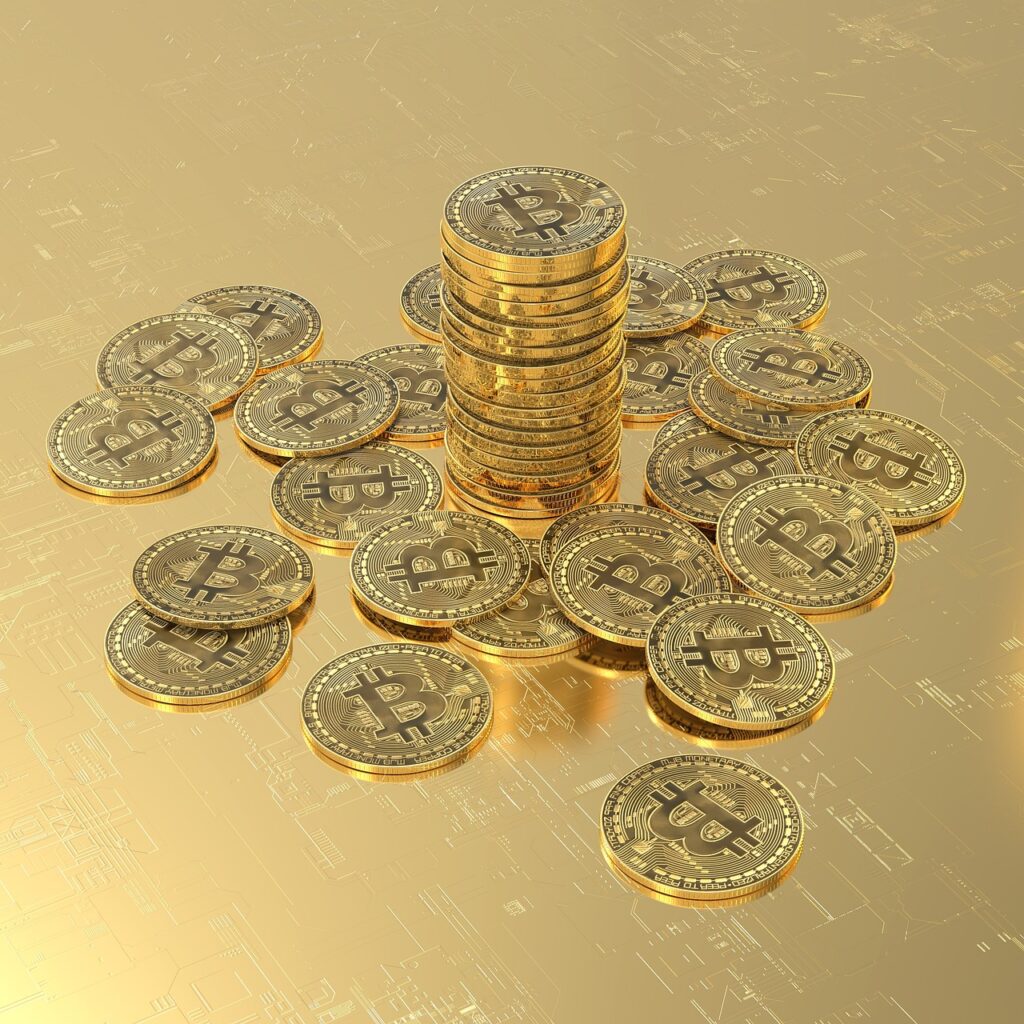
What is Cryptocurrency ?
Cryptocurrency is like money that lives completely online — no coins, no paper notes, nothing you can hold in your hand.
Think of regular money (like rupees or dollars): banks and governments look after it, track every rupee, and make the rules. Cryptocurrency is different.
It runs on something called blockchain.
Picture blockchain as a giant online record book that lots of people around the world share and watch together.
No single bank or person is the boss of this book.
Every time someone sends cryptocurrency to another person, that transfer gets written into the book. Then thousands of computers check if everything is correct and fair.
Once they all agree and the entry is added, nobody can secretly change or delete it. That makes it very safe from cheating or fake transactions.
The most well-known type is Bitcoin, but there are many others like Ethereum, Solana, and hundreds more. You store your cryptocurrency in a digital wallet — basically just an app or a small program on your phone or computer.
From there, you can send it to anyone anywhere in the world very fast, often much cheaper than using a bank, especially for sending money far away.
In the easiest words:
Cryptocurrency = online money that isn’t fully run by any bank or government, kept secure by smart computer math and thousands of computers agreeing on every deal.
People use it for shopping (if a shop accepts it), sending money to friends or family overseas, saving or investing in the hope its value grows, or simply because they like the idea of money without always needing middlemen like banks.
How Does Cryptocurrency Work ?
Cryptocurrency (often just called crypto) is like digital cash that exists only online. It lets people send and receive money directly to each other without needing banks or any central authority in between.
1. Normal money vs crypto money
Regular money, like the rupees in your bank or cash in your pocket, is managed by banks and governments.
They decide how much money gets printed, keep records of your balance, and control transfers.
If a bank has a problem or freezes your account, you can’t use your own money. You have to trust these big organizations completely.
Crypto flips that around. It’s built so no single person, company, or government is in charge. Instead, a big worldwide group of computers keeps the same exact record of who owns what.
Anyone can look at this record (it’s public), but changing it without everyone agreeing is nearly impossible.
This setup gives people more direct control over their own money. It started with Bitcoin back in 2009 as a way to create money that ordinary people truly own and manage themselves.
2. The big special book – called Blockchain
Think of the blockchain as one giant, shared diary that’s copied across thousands of computers everywhere. Every time someone sends or receives crypto, that action gets noted down as a new entry.
These entries get bundled into “blocks” (like pages). Each block connects to the one before it with a special code made from math, creating a long unbreakable chain. That’s why it’s named blockchain.
Once something is written in a block and added to the chain, it’s very tough to change or erase because you’d have to rewrite the diary on every single computer at once — which almost never happens.
This makes the whole system safe and trustworthy. You can even check the full history of any crypto from the day it began.
Some blockchains, like Bitcoin’s, just track simple transfers. Others, like Ethereum’s, can also run automatic rules (called smart contracts) that do things on their own, like paying someone when a condition is met.
3. How do you actually send crypto?
First, you get a crypto wallet. It’s usually an app on your phone or computer (or sometimes a small hardware device like a USB key).
The wallet doesn’t store the coins themselves — the coins live on the blockchain. The wallet just keeps your special codes that let you prove the coins belong to you.
Your wallet creates two keys:
- Public address — This is like your phone number or UPI ID. You can share it freely so others can send you crypto.
- Private key (or a 12-24 word seed phrase) — This is your secret password. Keep it hidden! If anyone gets it, they can take your crypto. Never share it.
To send crypto:
- Open your wallet.
- Put in the receiver’s public address.
- Choose how much to send.
- Confirm (maybe with your fingerprint or password).
- Your wallet signs the request with your private key to show it’s really you.
- The request goes out to the network, and soon the transfer shows up on the blockchain.
It usually takes a few seconds to minutes, depending on the crypto.
4. Who checks and writes it in the book?
The network relies on special computers run by people called miners or validators to check transactions and add new blocks.
In systems like Bitcoin, miners race to solve a tricky math problem using strong computers. It uses a lot of power.
The winner adds a new block with the latest transactions and gets a prize: some fresh crypto coins plus small fees from the senders.
Other computers on the network quickly double-check everything: “Is the math right? Are the signatures correct? Has this coin been spent already?” If it all looks good, they add the block too.
Because so many independent computers agree, cheating is hard — the honest version always wins.
Newer cryptos sometimes use a different method (like staking) where people put up their own coins as a promise to behave honestly, and they get chosen to add blocks instead of racing with puzzles.
5. Popular examples
- Bitcoin (BTC) — The very first one. Many see it as digital gold because only 21 million will ever exist. People hold it to save value or send money across countries fast and cheap.
- Ethereum (ETH) — More than just money. It’s like a platform where people build apps, create digital art (NFTs), lend money without banks, and more.
- Stablecoins (like USDT or USDC) — These stay worth about 1 dollar each, so they don’t jump up and down in price. Great for everyday use or trading.
- There are thousands more — some are fun joke coins, some focus on speed or privacy.
In the simplest way: Crypto is online money recorded in a shared, permanent public diary (blockchain) that thousands of computers watch over together.
You hold the keys, send it directly to others, and no bank or government needs to be involved.
Can You Really Make Money With Cryptocurrency ?
Yes, you can definitely make real money with cryptocurrencies, but it’s more like a rollercoaster ride than a smooth road to riches.
Picture this: some folks bought Bitcoin years ago when it cost just a few hundred or even a few thousand dollars, held on tight through scary drops, and now—around early 2026—it’s swinging between roughly $89,000 and $95,000 or so.
Those patient people turned small amounts into big wins because the price climbed a lot over time, thanks to more companies, banks, and regular folks jumping in.
Right now in 2026, the whole crypto world still has exciting energy.
Big players like Bitcoin and Ethereum keep drawing attention, new rules might make things safer, and things like digital money (stablecoins) or tokenized assets are growing fast.
Many smart experts think the market could climb higher this year or next, with Bitcoin possibly pushing toward $100,000+ if good things keep happening.
But here’s the straight truth in plain words: prices jump and crash hard and fast.
One day everything looks amazing and your money doubles; the next day bad news hits (like global money worries or big sell-offs), and it can drop 20%, 30%, or even more in a short time.
Plenty of people get excited, buy high when everyone’s cheering, then freak out and sell low when it falls—losing most of what they put in.
Tons of new coins flop completely, and fake tricks or scams steal money from beginners every day.
The people who actually come out ahead usually do these simple things: they only use extra cash they won’t miss (never rent or bill money!), pick well-known coins instead of wild promises, learn the basics, stay calm during bad months, and think long-term—like years, not days.
It’s possible to earn good returns, even life-changing ones, but it’s risky and feels more like a smart bet than a safe job.
If you’re curious, start tiny, read reliable info, avoid get-rich-quick stories, and remember: no one can promise you’ll win—many lose—but the ones who win big treat it carefully and wait it out.
How to Make Money With Cryptocurrency ?
Making money with cryptocurrency can be exciting, but it’s not a quick path to riches and there’s no sure win.
Prices swing wildly — up big one day, down sharply the next. Lots of folks, especially new ones, end up losing cash.
Here’s the golden rule in plain words: Only put in money you could happily wave goodbye to forever — like extra fun cash, not money for bills, rent, food, or emergencies.
Don’t borrow, don’t use credit cards, and never chase “guaranteed” schemes.
As of late January 2026, the crypto world is holding steady but bumpy. The whole market sits around $3 trillion.
Bitcoin hovers near $89,000–$92,000 (sometimes dipping or bouncing), Ethereum around $2,900–$3,100.
Big companies and clearer rules are helping things feel more solid long-term, but sudden news can still shake prices hard.
Bitcoin and Ethereum remain the strongest, most trusted picks for most people.
Below are the main real ways folks earn (or try to earn) with crypto today. I’ve kept everything fresh, simple, and straight-talking with easy words under each heading:
Keep It In Mind Before Start
Crypto is full of ups and downs — prices can crash 30–50% or more overnight from bad news, big sales, or rules changing.
Always check things yourself (do your own research — DYOR). Start super small, like pocket change amounts.
Scams are everywhere: fake apps, people asking for your keys, “too good to be true” promises.
In places like Jharkhand, India, stick to approved Indian exchanges (CoinDCX, WazirX) or trusted global ones that follow local rules.
Turn on two-factor security always, and never share passwords or seed words.
1. Buy and Hold (Often Called HODL) — The Easiest Long Game
Pick strong coins like Bitcoin or Ethereum, buy them, and just keep them safe for a long time — months or even years — without selling when prices dip.
The hope is the value grows over time as more people and companies use crypto.
This has been the winner for many in the past: Bitcoin climbed hugely through ups and downs, seen now as “digital gold” because big funds and businesses buy and hold it. Ethereum powers lots of apps and keeps improving.
Try dollar-cost averaging (DCA): Put in the same small amount (say ₹1,000–₹5,000) every month no matter if the price is high or low.
You end up buying cheaper on average and feel less stress.
Patience wins here — don’t stare at charts every hour. Look maybe once a week.
Many who held through tough times made good money, but remember: no promises it happens again. Perfect for beginners who want simple and low work.
2. Trading — Trying to Buy Low and Sell Higher
Buy when the price seems cheap, sell when it goes up — could be in hours, days, or weeks. Some do it many times a day (day trading), others hold a bit longer (swing trading), or let smart computer programs (AI bots) do trades.
If you guess right using charts, news, or patterns, you can grab quick gains. Tools on apps help spot good moments.
But honestly, it’s tough — most new people lose because feelings take over (panic sell low, buy high from excitement).
The market never sleeps, fees eat profits, and it’s easy to make mistakes.
In 2026, AI helpers make it a bit easier for some, but even experts mess up.
If curious, practice with pretend money first, only risk tiny bits (1–2% of your total), and learn basics like trends and stop-loss. This suits folks who love action, but it’s more risky than relaxing investing.
3. Staking — Like Earning Interest in a Bank
Some coins let you “lock” them to help run the network safely. In return, you get extra coins as a thank-you reward — usually 3–10% or so per year.
Right now, Ethereum gives around 3–7%, Solana maybe 5–8% or better, and others like Cardano or Polkadot can be higher. It’s mostly hands-off: set it once, and rewards drip in regularly (daily or weekly).
Easy ways: Do it straight on exchanges (they handle it for you) or in your own wallet. Lots offer “liquid staking” now — you get a token you can still trade or use while earning.
Low drama compared to trading: main worry is the coin price dropping overall. Great if you like holding anyway and want a little extra without much effort — feels like a crypto savings account.
4. Lending Your Crypto — Let Others Borrow and Pay You Back with Interest
Hand over your crypto (especially stable ones like USDT or USDC that stay close to $1) to platforms. People borrow it and pay you interest — often 5–12% or more yearly.
Safe spots: Easy exchanges like Binance or others, or DeFi apps like Aave (use a wallet like MetaMask). Stablecoins give steadier returns since no wild price jumps.
In 2026, good rates exist for safe lending — higher if you take more risk. Nice way to earn while keeping your coins growing.
Watch out: Platforms can face trouble (hacks or freezes happened before), so pick ones with strong safety and maybe insurance. Don’t put everything in one basket — spread it.
5. Providing Liquidity / Yield Farming — Advanced but Higher Rewards
Put your coins into shared “pools” on DeFi sites so others can swap easily. You earn a cut of the trade fees plus bonus tokens — returns can hit 10–50%+ yearly, but they change fast.
Good for bigger rewards if you choose busy pools, especially with stablecoins.
Downside:
Prices moving a lot can cause “impermanent loss” (you end up with less than just holding). Bugs or hacks in the code happen too.
Only try if you get DeFi basics. Start tiny, use sites that show current rates and dangers. Better for people okay with higher risk for possibly bigger payouts.
6. Smaller, Easier Ways to Grab Some Free or Extra Crypto
These won’t make you rich but are fun, low-risk starters:
- Learn-and-earn — Watch quick videos or do quizzes on sites like Coinbase or Binance — they pay tiny crypto bits (maybe ₹400–4,000 total). Free knowledge plus free money!
- Airdrops — New projects sometimes gift tokens to people holding certain coins or joining early. Follow real communities, but skip anything asking for your money or keys — lots are tricks.
- Games or apps that pay — Play simple games or finish tasks for small crypto rewards. Not huge cash, but enjoyable if you like that stuff.
- Refer friends — Share your link for exchanges or wallets — get bonus crypto when they sign up or trade. Good programs on Binance and others; easy if you have friends interested.
- Welcome bonuses — New sign-ups on some platforms give free crypto after basic checks.
Read More
Conclusion
Yes, 100% yes – regular people like you and me can make real money with cryptocurrency.
Some folks have turned small savings into something big after waiting patiently for a few years.
Others get a sweet little extra amount every month, almost like pocket money, just by doing simple things like staking. And lots of people make small, steady wins that make them smile.
But let’s be super clear and honest:
This is not like winning a lottery. It’s not fast cash that falls from the sky. It’s not something that works for everyone every time.

I am Ranjeet Tiwari from Dhanbad, Jharkhand. I have 5 years of experience in the finance industry. I worked and researched in finance and gained a lot of knowledge about finance. In November 2025, I decided to share a people’s financial guide through my website (https://finfilla.com/) that will help them to achieve financial freedom in their lives, and this is the main motive for starting this website.