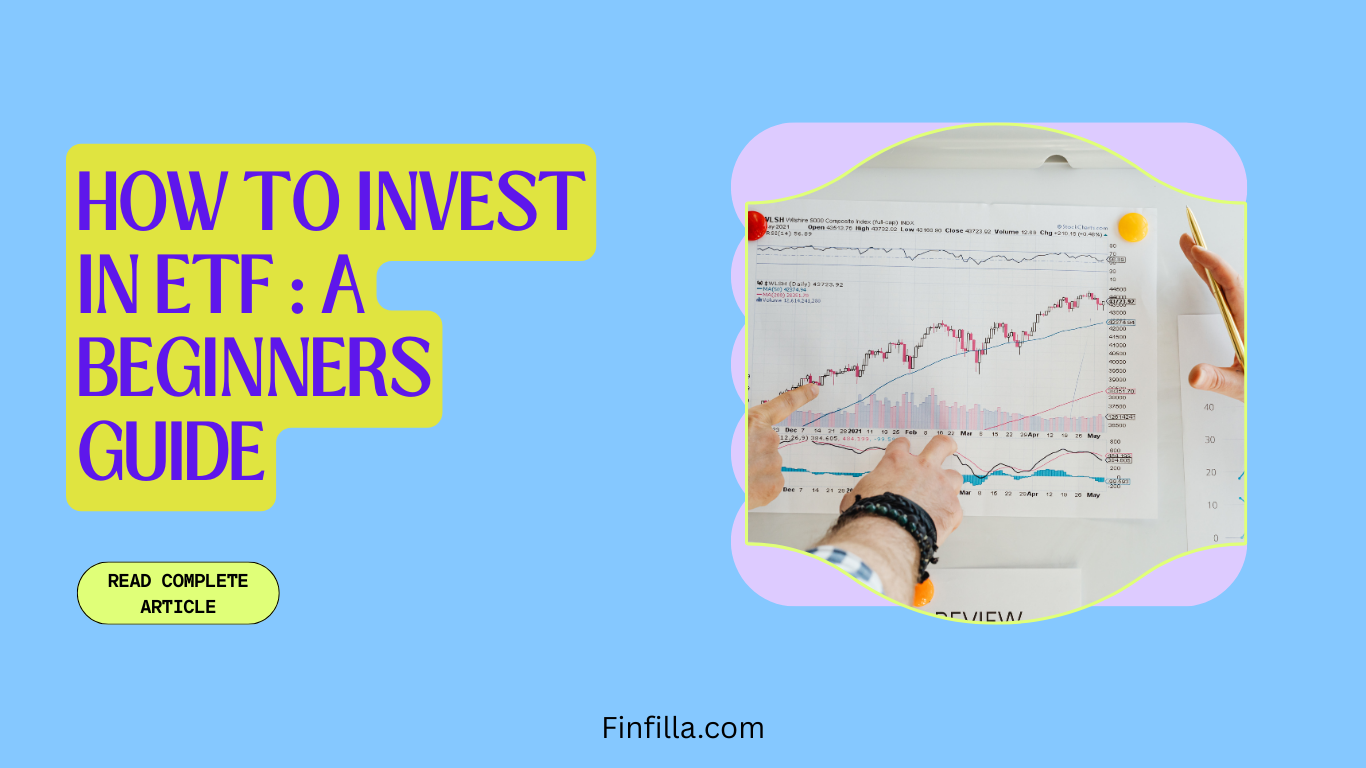
ETFs (Exchange-Traded Funds) are one of the simplest and smartest choices for everyday people who want to start investing and watch their money grow slowly and steadily.
As of February 2026, with the American stock market doing well and lots of people putting money into ETFs, learning how to invest in ETFs is a smart move for anyone living in the USA.
Before diving into the main topic, you should understand what an ETF is so that you can start investing in ETFs, so let’s get started without any further ado.

What is ETF ?
An ETF, short for Exchange-Traded Fund, is a super simple way for everyday people in the USA to put their money into the stock market without picking just one company.
Imagine going to a grocery store and instead of buying only one type of fruit—like just apples—you grab a ready-made fruit basket that has apples, bananas, grapes, and oranges all mixed together.
Buying that one basket gives you a bit of everything. An ETF is basically the same idea: it’s one easy-to-buy investment that packs together lots of different stocks (or sometimes bonds, gold, or other things) into a single package.
For instance, a super popular one called SPY follows the S&P 500, which is a list of the 500 largest and most important American companies—think names like Apple, Google, Tesla, Walmart, and hundreds more.
When you buy even one share of that ETF, you’re getting a small slice of ownership in all those 500 companies at the same time.
This spreads out your money so if one company has a bad day, the others can help keep things steady—it’s much safer than betting everything on a single stock.
The cool thing is you can buy or sell ETF shares anytime the stock market is open, just like trading a regular company’s stock on places like the NYSE.
The price moves up and down during the day, it’s really straightforward through any broker app or account, and the fees are usually very low.
That’s why so many Americans love using ETFs in their savings plans—like 401(k)s, IRAs, or just normal investing accounts—to grow their money steadily over time without needing to be a Wall Street expert.
How Does ETF Work ?
An ETF, or Exchange-Traded Fund, is a straightforward and popular choice for everyday folks in the USA who want to invest without making things too complicated.
Think of it as a ready-made investment kit. Instead of picking and buying shares in single companies (which can feel scary if one flops), you grab a share in this kit.
The kit already contains small pieces of many different companies, bonds, or even other assets all bundled together.
One simple buy gives you a share of the whole group, spreading your money around so you’re not depending on just one thing doing well.
Here`s how does it work :
A Company Builds the Package
Reliable big investment firms — think Vanguard, BlackRock (they run iShares), Charles Schwab, Fidelity, or State Street — create these ETFs.
They choose a specific target, usually by copying a well-known list called an index.
This could be something like the S&P 500 (covering America’s 500 largest companies), the full U.S. stock market, fast-rising tech businesses, steady government bonds, or even themes like renewable energy.
The firm buys the actual stocks, bonds, or whatever matches that list closely.
They mostly follow the list automatically instead of trying to guess future winners — this “hands-off” style (called passive) keeps everything straightforward and inexpensive.
After setting it up, they offer shares of the ETF for people to buy on the open market.
You Buy or Sell It Just Like a Regular Stock
These ETFs are listed and traded on major U.S. stock markets (such as NYSE or Nasdaq), so dealing with them feels exactly like buying or selling shares of companies like Apple or Tesla.
You can jump in or cash out anytime the market is running — that’s 9:30 AM to 4:00 PM Eastern Time on regular weekdays.
Use an easy online broker like Robinhood (beginner-friendly), Fidelity, Vanguard, Charles Schwab, or others — many let you start with small amounts.
The ETF’s price shifts all through the trading day as people buy and sell, influenced by how the items inside are performing and overall market mood.
This gives you quick access compared to some older funds that only let you trade once daily after everything closes.
Your Money Moves With the Whole Package
The worth of your ETF shares goes up or down depending on the combined performance of everything inside.
When most companies or bonds in the kit do strong (growing earnings, rising values), your ETF’s price tends to increase, growing your savings.
Rough patches can pull it lower, but the spread-out nature softens the blow from any single weak spot.
On top of price changes, lots of ETFs hand out regular small cash payouts called dividends.
These come from profits the companies inside share.
You can pocket the cash or set it to buy more shares automatically, helping your investment build faster through compounding over the long haul.
Should You Invest in ETFs ?
Yes, for most regular folks in the USA, putting your money into ETFs makes a lot of sense — especially if you’re new to this or prefer something easy and hands-off that can build wealth slowly over time.
Imagine an ETF like one big shopping basket filled with shares from tons of different companies (or sometimes bonds).
When you buy a share of that ETF, you instantly own a tiny slice of hundreds or thousands of businesses.
This spreads your money around so you’re not risking it all on just one company that might have a bad year — if one struggles, plenty of others can keep things from falling too hard.
What makes them stand out in 2026 is how affordable they are. Top ones have tiny yearly costs — often just 0.03% or so — meaning you keep way more of the growth instead of handing it over in high fees.
You can buy them anytime the market’s open, exactly like regular stocks, through simple accounts at brokers like Vanguard, Fidelity, Schwab, or apps like Robinhood.
Many let you start with very little cash by buying partial shares, so you don’t need a big pile of money upfront.
For everyday people saving up for retirement, buying a home, college, or just extra security, ETFs that cover the whole big US market — like those tracking the S&P 500 (home to America’s top companies) — have shown solid results over long periods.
They usually do better than most folks who try picking single stocks themselves.
Right now in the US, these are super common because they’re straightforward, often tax-friendly, and give quick spread-out protection without needing deep knowledge.
Sure, they’re not without downsides. Your ETF will drop when the overall market drops — like during rough economic times — so you need to be ready for ups and downs.
Some focused or trendy ETFs carry extra risk or higher costs. Pick ones that fit your timeline, comfort with swings, and goals.
Still, for the average American wanting a low-fuss, smart path to grow savings long-term, ETFs often top the list as a great option.
Many experts point to them as the heart of a basic, effective setup.
Start easy: go with a low-fee broad one (like Vanguard’s VOO or iShares’ IVV for the S&P 500), add what you can regularly, and let years of growth do most of the work.
That simple approach has helped lots of people build real wealth over time.
How to Invest in ETFs ?
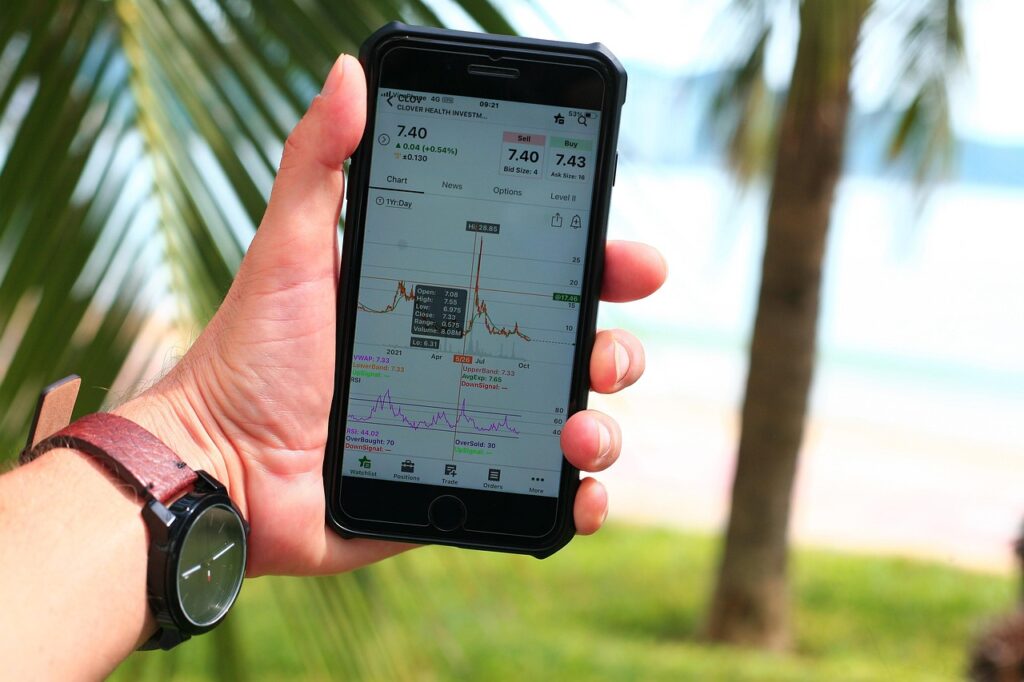
ETFs, or Exchange-Traded Funds, are a straightforward and smart choice for regular folks in the USA who want to invest without overcomplicating things.
They’re basically like a ready-made collection of investments bundled into one easy-to-buy package.
Picture an ETF as a big shared basket filled with small ownership bits from many different companies (these are called stocks), or sometimes from bonds, gold, or other things.
Rather than putting all your money into shares of just one business—which could hurt if that one company hits trouble—you spread it across lots of companies.
That spreading makes things less risky and way easier for people just starting out.
You can buy or sell these baskets on the stock market during regular trading hours, just like buying shares of a single company.
Most have really low ongoing costs (often 0.03% to 0.09% per year), and today almost every broker lets you trade them without charging a fee each time.
Here’s a clear, step-by-step guide in plain language, written fresh and simple.
1. Get An Investment Account Started (This is Your Brokerage Account)
This is like setting up a special online spot just for your investing money. Your everyday bank usually can’t handle ETF purchases, so you need a brokerage firm that connects you straight to the markets.
Some of the friendliest options for new investors right now include:
- Fidelity — Often called one of the best overall for starters. The app is clean and user-friendly, they offer great phone or chat help, plus free lessons and guides. No fees to open, no minimum to start, and they let you buy tiny pieces of expensive ETFs.
- Charles Schwab — Very close to Fidelity in quality. Low (or zero) costs, easy fractional buying (parts of shares), solid research tools, and reliable support. Great for keeping things simple long-term.
- Vanguard — Known for rock-bottom costs since they focus on cheap funds. Perfect if you like a hands-off style, though the app and site feel a little more old-fashioned.
- Robinhood — Super simple and mobile-first, like using a fun app. Ideal if you’re starting with just a few dollars, and they sometimes toss in a free share when you sign up. Fewer extra learning tools than the others, though.
How to do it:
- Head to their site or grab the app (fidelity.com, schwab.com, etc.).
- Choose to open an “individual brokerage account” (or explore a Roth IRA later for tax benefits if it fits you).
- Provide basic info: your name, address, Social Security number, job details (US rules require this).
- Link your regular bank for moving money.
- The whole thing usually wraps up in 10–20 minutes, with quick approval.
Quick tip: Fidelity or Schwab are solid first picks if you want helpful resources along the way. Many throw in small welcome perks if you deposit soon.
2. Add Cash to Your Account
With the account open, transfer some money in so you can make your first purchase.
- Go with a free bank transfer (ACH) — In the app, look for “Deposit” or “Transfers,” enter your bank details, and pick an amount. It typically shows up in 1–3 business days.
- Some places offer instant small deposits.
Start small—no need for thousands. Thanks to fractional shares, you can invest $10, $50, or whatever fits. Example: An ETF share might cost $500+, but you can buy $50 worth (like 0.1 share).
Key reminder: Only invest cash you can comfortably leave untouched for years. Keep emergency savings separate in a safe bank spot first.
3. Decide On A Good ETF to Begin With
Go for something broad and basic that covers a wide slice of the market—this gives built-in safety and keeps decisions easy.
What to look for:
- Holds many companies for good spread-out risk.
- Super-low yearly fee (expense ratio under 0.10%).
- Lots of total money in the fund (billions) for smoothness.
Top straightforward choices these days:
- VOO (Vanguard S&P 500 ETF) — Follows the biggest 500 US companies (think Apple, Microsoft, and similar giants). Yearly fee: around 0.03% (that’s just $3 a year on $10,000). A favorite for steady, long-haul growth.
- VTI (Vanguard Total Stock Market ETF) — Includes nearly all US companies—big ones plus medium and smaller (thousands total). Fee also ~0.03%. Excellent if you want the complete US picture in one simple pick.
- SPY — Does the same as VOO (tracks those top 500), but fee is a bit higher (~0.09%). Still fine, though VOO edges it on cost.
- VT (Vanguard Total World Stock ETF) — Covers companies worldwide (US plus international). Fee around 0.06%. Good choice if you prefer some global flavor.
Best starter move: Pick VOO or VTI. Both are low-cost winners with strong track records over many years (markets have averaged roughly 7–10% yearly growth long-term after inflation, though nothing is guaranteed).
Steer clear of flashy or narrow ones (like tech-only, crypto-linked, or single-country) at first—they can bounce around more.
4. Make the Purchase
Time to turn your cash into the ETF!
In the app or website:
- Search the symbol (like “VOO”).
- Review quick info: price, fee, main holdings.
- Hit “Buy.”
- Enter your amount—use dollars (e.g., “$100”) or shares (fractional works great).
- Select order style:
- Market — Grabs it right away at the going price (easiest).
- Limit — Sets a price cap (handy if things are moving fast).
- Confirm and submit. It happens fast!
Trades go through during market hours (9:30 AM–4:00 PM Eastern, weekdays). No trade fees on most brokers.
5. Build the Habit and Keep Going
Success comes from steady, patient moves—not fancy tricks.
- Keep adding regularly — Set up automatic monthly transfers (say $50–$200 from pay). This “dollar-cost averaging” means you buy more when prices dip and less when they’re high, smoothing the ride.
- Hold through ups and downs — Markets drop sometimes (it’s normal), but they tend to climb back over years. Avoid checking daily; peek every few months instead.
- Enable dividend auto-reinvest — Many ETFs pay out small profits as cash; turn on DRIP to buy extra bits automatically for free growth.
- Think about taxes later — Regular accounts tax gains when sold (lower rate after 1+ year hold). A Roth IRA can grow tax-free if you qualify.
- Stay calm — Short swings happen, but long-term patience has rewarded most steady investors.
This is a simple, proven path: open at a good broker, fund it, buy a cheap broad ETF like VOO or VTI, and add consistently while holding on.
Take it slow, start with a little, and build confidence as you go.
Some Real Data and Performance (as of mid-February 2026)
The S&P 500 (the key US index many ETFs track) wrapped up 2025 with a nice gain of about 16–18% total return (VOO around +17.7–17.9%, SPY close behind).
2024 was even better at roughly 23–25%. But 2022 dropped about -18–19% — rough patches are part of the game, yet over 10+ years, yearly averages often hit 13–15% with dividends.
As of mid-February 2026, the S&P 500 sits around 6,836, with YTD returns flat to slightly down (about -0.1% to -0.14% price return, total near zero including dividends).
VOO trades near $626–$627. These small early-year moves happen all the time — markets don’t go straight up.
(Imagine a basic line chart: The line starts lower years ago, wobbles with dips like in 2022, but trends higher overall — clear proof of long-term growth despite short-term drops.)
Many smart investors say a plain broad US ETF like VOO or SPY is perfect for most people building wealth steadily (even investing icons like Warren Buffett point to similar simple approaches).
Read More –
Conclusion
ETFs are a simple, low-stress way to start investing without needing to be an expert.
They give you wide ownership, tiny costs, and let the market do most of the work for you—especially with how things look in the USA in 2026.
Take the first small step today: open a free brokerage account, choose a strong ETF, and invest whatever feels comfortable.
If you stay patient and keep going, ETFs can really help you create serious savings and a brighter financial future. Good luck and happy investing!
FAQS ( Frequently Asked Questions )
Frequently Asked Questions (FAQs) About ETFs
Here are answers to questions many beginners have :
What is an ETF really ?
It’s a fund that owns many assets (like stocks or bonds) and trades on exchanges like a single stock. You can buy or sell it during the day at current market prices.
How Do ETFs Differ From Mutual Funds ?
Both collect money to invest in many things for diversification, but ETFs trade throughout the day (prices can vary slightly), while mutual funds price only once at the end of the day. ETFs usually have lower fees and better tax handling.
Are ETFs Suitable for Beginners ?
Absolutely — they’re easy, cheap, spread risk, and perfect for long-term investing. Start with broad ones like VOO to get simple US market exposure.
How Little Can I Invest to Begin ?
Many brokers allow $1 or very small amounts. No large sum is required — build it up over time.
Do ETFs Give Dividends ?
Yes, if the companies they hold pay dividends, the ETF typically passes them to you (often quarterly). You can reinvest to grow faster.
Are All ETFs Low-Cost ?
Most are, but always check the expense ratio (yearly fee). Aim for ones under 0.1% to keep more of your returns.

I am Ranjeet Tiwari from Dhanbad, Jharkhand. I have 5 years of experience in the finance industry. I worked and researched in finance and gained a lot of knowledge about finance. In November 2025, I decided to share a people’s financial guide through my website (https://finfilla.com/) that will help them to achieve financial freedom in their lives, and this is the main motive for starting this website.