
Imagine this: One day, you walk out your door, hop into your own car, turn on your favorite music, and drive wherever you want—no waiting for buses, no asking for rides, just pure freedom!
That amazing feeling is closer than you think. Saving money for a car is like planting a tiny seed that grows into a big, strong tree.
You add a little water (money) every day, and soon you have something wonderful.
Lots of people dream about owning a car, but they think it’s too hard or takes too long. The truth? Anyone can do it with small, easy steps.
You don’t need to be rich—you just need to start today. Even saving $20 or $50 a week can grow into thousands over time, like magic!
So let`s get started without any further ado.
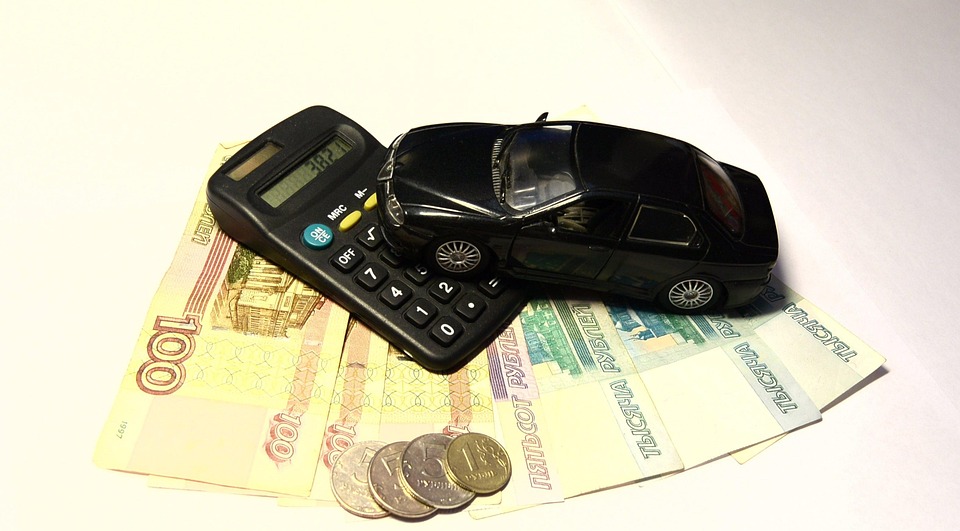
Is It Important to Save Money for Car ?
Yes, saving money for a car is important for most people.
A car costs a lot of money, often thousands of dollars, and if you try to buy one without saving, you might have to borrow a lot and pay extra interest for years.
When you save up first, you can pay cash or borrow much less, which keeps more money in your pocket.
Having savings for a car also helps you avoid stress—if something unexpected happens, like your old car breaks down, you’re ready to get a new one without panic.
Plus, saving teaches you good habits: you learn to wait for what you want, make smart choices, and feel proud when you finally buy the car with your own money.
It’s not always easy to save, but starting small and putting a little aside each month makes a big difference over time. In short, saving for a car gives you freedom, less worry, and a better deal in the end.
How to Save Money for Car ?
If you want to keep more money in your pocket when getting a car, think smart from the start.
The smartest move is often picking a good used car that’s just a couple years old—new ones drop in value super fast, but a gently used one can save you a ton and still run great for years.
Set a Clear Goal
First, think about why you want a car and what type fits your life.
Do you need something small for city driving or a bigger one for family trips?
Look online or visit dealerships to find models you like. Write down the price of the car you choose.
Don’t forget to add other costs like sales tax, which can be 5-10% extra, plus registration fees, and the first year of insurance.
Also think about maintenance costs like oil changes and tires. Adding everything up gives you a realistic total goal, maybe $15,000 to $30,000 depending on the car.
Having this exact number written down keeps you focused and excited.
Seeing the big number might feel scary at first, but break it into smaller steps. For example, if your goal is $20,000 and you want the car in two years, you need to save about $833 per month.
Adjust the time if that feels too much. A clear goal stops you from wasting money on things that don’t help you get closer to your dream car.
Make a Simple Savings Plan
Start by looking at your monthly income and all your bills. Write down everything: rent, food, phone, internet, transportation, and fun spending.
Use a free app or just a notebook. See what’s left after paying the must-haves. That leftover money is what you can save.
Aim to save 10-20% of your take-home pay. If you earn $3,000 a month, try to save $300 to $600.
If saving that much feels hard, start smaller and build up. Maybe begin with $100 a month and add more when you get a raise or pay off a bill.
Pay yourself first—treat savings like a bill you must pay every month. A good plan matches your real life so you can stick to it without feeling stressed.
Also think about big expenses coming up, like holidays or vacations. Plan to save extra before those times so you don’t dip into your car fund. A simple plan you follow beats a perfect plan you quit.
Cut Unnecessary Spending
Look closely at where your money goes each day. Small things add up fast: $5 coffee every morning is $150 a month. Eating out twice a week might cost $100.
Check your bank app for the last few months to spot patterns. Cancel subscriptions you forgot about, like streaming services or gym memberships you don’t use.
Switch to cheaper options: make coffee at home, cook simple meals, shop at discount stores, or buy used clothes. Bring lunch to work instead of buying it.
These changes don’t mean living like you have no fun—they just mean spending smarter. The money you save goes straight to your car account.
Tell your friends you’re saving for a car so they understand if you skip expensive nights out. Choose free or cheap fun like parks, home movie nights, or potluck dinners. Cutting spending feels good when you see your savings grow faster.
Open a Separate Savings Account
Keeping car money in your regular checking account is tempting to spend. Open a new savings account at your bank or an online bank.
Name it something fun like “My Dream Car Fund” to stay motivated. Online banks often give higher interest, so your money grows a little by itself.
Make it a bit harder to touch the money—choose an account without a debit card or at a different bank.
This small barrier stops impulse spending. Every time you add money, you’ll feel proud watching the balance climb.
Check the account only once a month so you’re not tempted to move money out. Seeing steady growth month after month keeps you on track.
Earn Extra Money
If your regular job doesn’t leave enough to save fast, find easy side gigs. Sell stuff you don’t need on apps like Facebook Marketplace or eBay—old clothes, electronics, furniture. Even $200-500 extra helps a lot.
Look for simple jobs that fit your schedule: walk dogs, babysit, deliver food, or drive for rideshare apps on weekends.
Online options include surveys, freelance writing, graphic design, or tutoring if you’re good at something. Put every extra dollar into the car fund—don’t spend it on treats.
Start small if you’re busy. Even one or two extra shifts a month adds up over time. Extra money speeds up your goal without cutting your normal spending too much.
Automate Your Savings
The easiest way to save is to never see the money in your checking account. Set up automatic transfers from your paycheck or checking to your car savings account. Do it the day you get paid so saving happens first.
Many banks let you split your direct deposit—send part straight to savings. Or set a weekly transfer of $50 or $100. Automation removes willpower—you save without thinking.
If money gets tight one month, you can pause the transfer, but try not to. Over time, you get used to living on less and saving feels normal.
Be Patient and Track Progress
Buying a car with cash saves you thousands in loan interest, so waiting is worth it. Interest on car loans can add 20-30% to the total cost. Stay patient and keep going.
Track your progress every month. Make a simple chart or use an app to see how close you’re getting.
Celebrate milestones—like when you hit 25%, 50%, or 75% of your goal—with something small and free, like a favorite home-cooked meal.
Share your goal with family or friends for support. On tough days when you want to spend, remember why you started.
Before you know it, you’ll have enough saved and drive away in your car with no payments hanging over you. The pride of paying cash feels amazing.
How to Save Money for Car on a Low Income ?
Hey, I know how frustrating it can feel to want a car but stare at your bank account thinking it’s impossible—especially when money’s already stretched thin.
But trust me, plenty of folks in the same boat have made it happen without going into crazy debt. It’s all about breaking it down into doable steps and staying consistent, even if it’s just a little at a time.
First off, get real about what you can actually afford. Right now in late 2025, the average used car goes for around $25,000 to $30,000, depending on the model and age.
But you don’t need to aim that high—look for solid, reliable older ones (maybe 8-10 years old) that can land in the $10,000 to $15,000 range, or even cheaper if you’re patient.
Focus on something practical with good gas mileage, like a Honda or Toyota, to keep running costs low.
Your goal could be saving enough to buy it outright (say $8,000-$12,000) so you skip loan payments altogether, or at least stash away $2,000-$4,000 for a decent down payment to make any monthly bills easier.
Start by tracking where your money goes each month. Jot down your income, then subtract the essentials—rent, groceries, utilities, and getting to work.
Whatever’s left (even if it’s small), that’s your starting point. Hunt for easy cuts: skip takeout a couple times a week, brew coffee at home, pause that streaming service you barely watch, or shop smarter for groceries.
Those little things can free up $50-$100 a month without feeling like a huge sacrifice. The trick that works for a lot of people? Treat savings like a bill—move money to a separate account right when you get paid, before you spend on anything else.
Set up auto-transfers if your bank allows it; out of sight, out of mind.
If your income feels too low to make much progress, think about adding a bit extra on the side. Nothing fancy—apps for delivering food or groceries, pet sitting through sites like Rover, selling clothes or stuff you don’t use on Facebook Marketplace, or even small gigs like surveying online.
Just an extra $100-200 a month dumped straight into your car fund can shave months or years off your timeline. And don’t forget windfalls like tax refunds, birthday cash, or overtime—throw most of that in too.
Keep yourself motivated by checking your savings grow every few weeks. It might start slow, like $50 here and there turning into hundreds, but it snowballs.
When you’re close to your goal, shop smart: get any car inspected by a mechanic before buying, compare prices online, and haggle a bit—especially around year-end when dealers want to move inventory.
Avoid big loans if you can; that interest adds up fast and eats into what you’ve worked hard to save.
You’ve totally got this. It won’t happen overnight, but starting small today gets you on the road sooner than you think. Hang in there!
When Should We Start Saving Money for Car ?
Start saving for a car as soon as you know you might want one someday. Even if it feels far away, begin now. The sooner you start, the easier it is.
If you think you’ll buy a car in 1 or 2 years, start putting money away every month right away. That way, you won’t feel stressed later.
If it’s 3 to 5 years from now, you can save a smaller amount each month and still have enough when the time comes.
Starting early is the best thing. Small amounts add up, and you won’t need to borrow as much money or feel rushed.
Just pick a rough price for the car you want, decide how much you can save from each paycheck, and put it in a separate spot.
The earlier you begin, the happier and calmer you’ll be when you finally get your car!
Benefits of Saving Money for Car
Saving money to buy a car is one of the smartest choices you can make. It feels great and sets you up for a happier, easier life on the road.
The best part is owning the car completely from the start. You save up your own cash, hand it over, and drive away knowing no bank owns a piece of it. No monthly payments, no owing anyone—just pure freedom.
Let`s know the benefits of saving money for car.
1. You Can Buy the Car Without Debt
Imagine finally getting the keys to your dream car and knowing it’s completely yours from day one.
When you save up enough money first, you walk into the dealership, pick the car you want, and pay for it in full with cash or a bank transfer.
No loans, no bank involved, no promises to pay later. This feels amazing because the car belongs to you right away—no one can take it back if life gets tough.
Many people rush into car loans because they want the car now, but that choice often leads to years of monthly payments that eat into their budget.
By saving first, you avoid that trap. You drive off the lot with a big smile and zero worry about owing anyone money. It’s true freedom on wheels.
2. You Save a Lot on Interest
Car loans might seem easy, but they come with a hidden extra cost called interest. This is basically the bank’s fee for letting you borrow their money.
Over a few years, that interest can add thousands of dollars to the total price of the car. For example, a $20,000 car could end up costing you $25,000 or more after interest.
When you save your own money and pay cash, you skip all of that extra cost. Every dollar you saved stays with you instead of going to the bank.
It’s like getting a huge discount on the car just because you were patient. That saved money can go toward fun things like a road trip, better tires, or even starting to save for your next goal.
3. You Feel Less Stress
Having a car loan hanging over your head can feel heavy.
Every month, you have to make sure you have enough money for that payment, no matter what else comes up—like a surprise bill or losing some work hours. It can keep you awake at night worrying.
Saving up first removes that weight. Once the car is paid for, your only regular costs are gas, insurance, and maintenance—things you can plan for more easily.
You feel lighter and happier behind the wheel because the car is a joy, not a burden. Peace of mind is one of the best rewards of waiting and saving.
4. You Can Choose a Better Car
When you take a loan, banks often limit how much you can borrow based on your income. This sometimes forces people to pick a cheaper, older, or less reliable car just to stay within the loan amount.
Saving longer gives you more choices. You might wait a bit extra and have enough for a newer model with better safety features, lower fuel costs, or the color and options you really love.
It’s worth it because a better car usually lasts longer, breaks down less, and makes every drive more enjoyable. You’re not settling—you’re getting exactly what you want.
5. You Can Buy It Faster Than You Think
A lot of people say, “Saving for a whole car will take forever!” But it usually doesn’t. If you set aside even a small amount each week—like $50 or $100—it adds up quicker than expected.
Skip a few coffees, eat out less, or sell things you don’t need, and suddenly you’re watching your savings grow fast.
Many people who try this are surprised when they reach their goal in just one or two years. It feels exciting to watch the number climb in your savings account.
Before you know it, you’re ready to buy, and the wait makes the moment you get the car even sweeter.
6. You Learn Good Money Habits
Saving for a car is like training for a money marathon. It teaches you to plan ahead, say no to small temptations, and watch your money grow. These skills stick with you for life.
Once you’ve done it for a car, it’s easier to save for vacations, a house down payment, or retirement. You become someone who controls money instead of money controlling you.
Friends might even start asking for your advice because they see how calm and smart you are with spending.
7. You’re Ready for Surprises
Life loves to throw curveballs—an unexpected repair, medical bill, or job change. If you have a car loan during tough times, those monthly payments can become really hard to handle.
By saving for the car first, you usually build a small emergency fund along the way or at least get used to having money set aside.
This cushion helps you handle surprises without panic or high-interest credit cards. You’re stronger and more prepared for whatever comes next.
In the end, saving up for a car isn’t just about the vehicle—it’s about building a smarter, calmer, and happier financial life. The wait is short compared to the years of freedom you’ll enjoy afterward. You’ve got this!
Read More
Conclusion
Saving for a car is totally doable if you make a simple plan, save a little every month, and cut a few small spends.
Start today with whatever amount you can — even $50. Before you know it, you’ll have enough money, buy your car with cash, and feel super proud (no stressful loans!). You’ve got this! Just take the first step and keep going.
FAQs
Here are very short, simple answers on How to Save Money for a Car.
How Much Money Should I Save to Buy a Car?
New cars cost about $48,000–$50,000. Used cars cost $25,000–$29,000. Save at least 20% for down payment (like $10,000 on a $50,000 car). Add extra for taxes, fees, and insurance. Keep all car costs under 10% of your monthly pay.
How Do I Make a Simple Savings Plan?
Pick your dream car, check its real price, add 10–15% more for extras. Divide by how many months you have. Example: $30,000 in 2 years = save $1,250 a month. Put it in its own savings account.
What’s the Quickest Way to Save More?
Stop eating out, cancel extra apps, skip fun shopping. Do a side job or sell old stuff. Move money to savings automatically every payday. Drive less to save gas.
Should I Buy New or Used to Save Money?
Used saves way more money. New cars lose big value fast (15–25% in year 1). Pick a good 2–4 year old car that’s cheap to fix. Buy new only if you keep it many years.
Why Put a Big Down Payment?
Big down payment = borrow less = smaller payments + much less interest. 20% or more often gets you a cheaper loan rate. You start owning the car right away.
Any Easy Tricks When Buying the Car?
Get loan okay from bank first. Shop around and bargain hard on full price. Buy at end of month or big sales time. Check insurance prices early. Say no to extra dealer stuff. Sell your old car yourself for more cash.

I am Ranjeet Tiwari from Dhanbad, Jharkhand. I have 5 years of experience in the finance industry. I worked and researched in finance and gained a lot of knowledge about finance. In November 2025, I decided to share a people’s financial guide through my website (https://finfilla.com/) that will help them to achieve financial freedom in their lives, and this is the main motive for starting this website.