Many people keep asking the same question these days: is investing in crypto or stocks better?
Here in January 2026, as markets keep shifting with new highs, dips, and big news, both crypto and stocks give chances to make your money grow.
Crypto often feels like a fast, heart-pounding ride full of big surprises, while stocks are more like a calm, trustworthy road trip that builds wealth slowly but surely over time.
Neither is right for every person, but let’s take a simple look at both so you can decide what suits you best.
What is Cryptocurrency ?
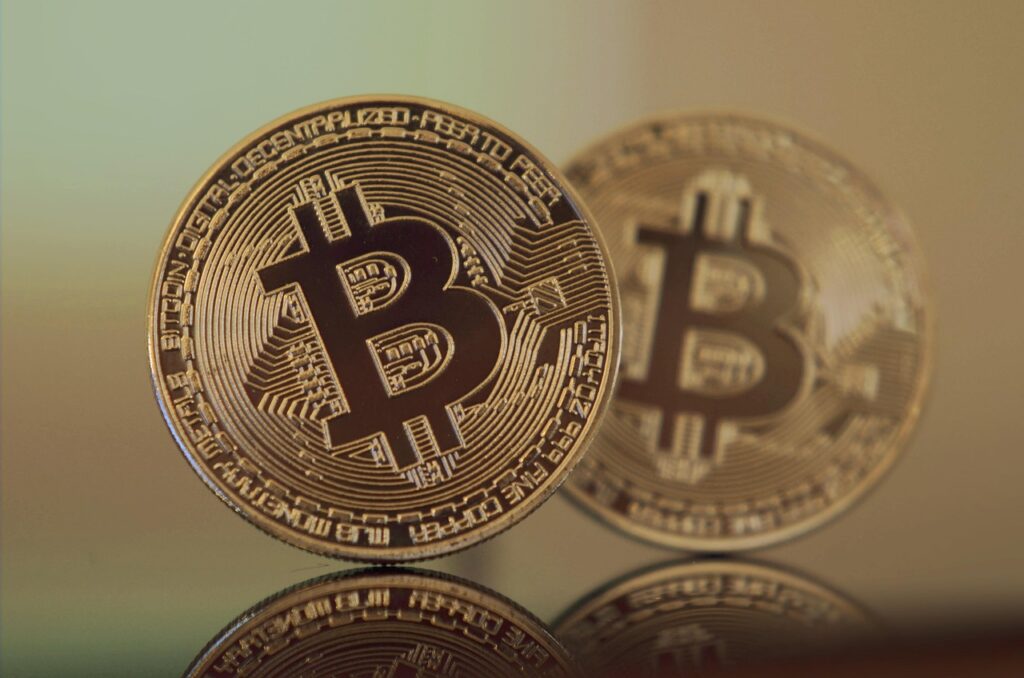
Cryptocurrency is like magic internet money that only lives on computers and phones — you can’t hold it in your hand or put it in your pocket like normal cash.
Think of regular money: banks and governments keep big books to track who has how much, and they control everything. Cryptocurrency flips that idea.
Instead of one boss (like a bank), it uses a super-secure, shared online record book called a blockchain.
This book is copied on thousands of computers all over the world.
Every time someone sends crypto to another person, that deal gets written in the book, and all those computers check together to make sure it’s real and nobody is cheating. Once it’s written, nobody can erase or change it — it’s locked forever!
The most popular one is called Bitcoin, but there are many others like Ethereum, Solana, and more — each with its own special tricks.
You don’t need permission from any bank to use it. You just get a simple app called a digital wallet on your phone.
From there, you can send crypto to your friend in another city or even another country in just minutes, often for very little fee — way cheaper and faster than wiring money through a bank.
People love it because no single person or government fully controls it, so it’s free in that way.
But it’s not perfect: the price can jump up like a rocket one day and fall hard the next, so it’s risky.
Also, if you lose your wallet password (or “private key”), your money is gone forever — no bank to call for help. And sadly, some bad people try to trick others with fake promises.
In super simple words:
Cryptocurrency = online money protected by a giant, unchangeable public notebook (blockchain) that lots of computers watch together.
Anyone with internet can join, send it quickly across the world, and nobody needs to ask a bank for permission.
What are Stocks ?
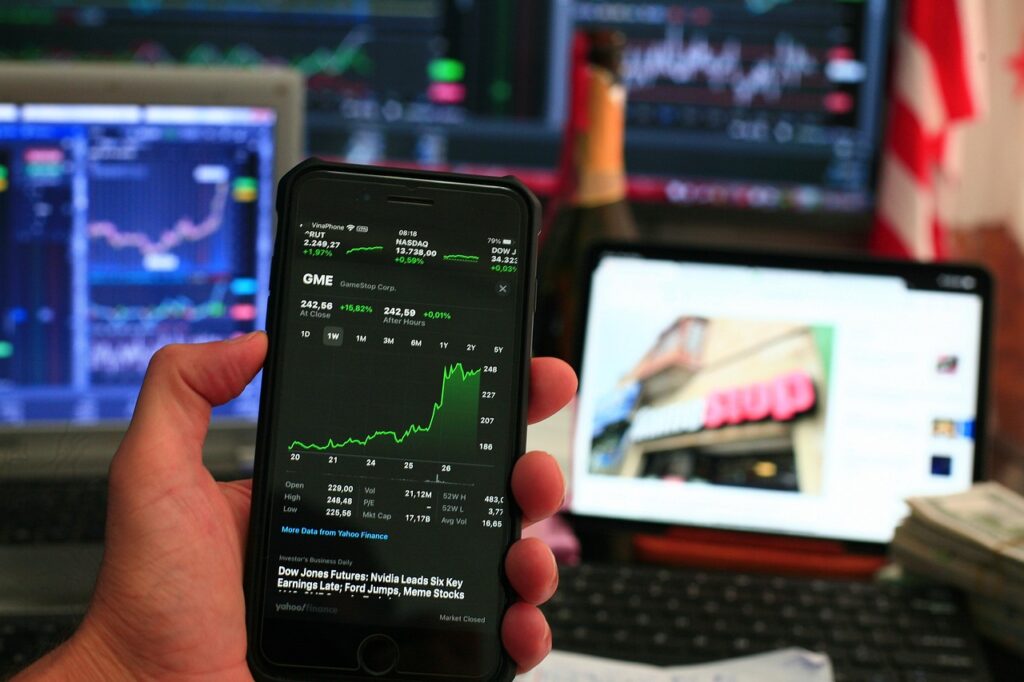
Stocks are like tiny pieces of a company that anyone can buy.
Think of a famous American company — say Apple, Tesla, or McDonald’s — as one big, delicious pizza.
The people who built the company own the whole pizza at first. But to raise money (to make more products, open new stores, or grow bigger), they cut that pizza into millions of super-small slices. Each slice is a stock (or share).
When you buy just one slice (one stock), you become a tiny owner of the whole company. You don’t get free iPhones, free cars, or free burgers — but you do own a very small part of everything the company has and does.
If the company rocks it — sells way more stuff, invents cool new things, makes lots of money — more people want to own a slice too. So the price of your slice goes up.
You can sell it later for more cash than you paid and pocket the extra (that’s your profit).
But if things go wrong — sales drop, bad news hits, or the company messes up — fewer people want slices. The price falls, and your slice might be worth less (or even a lot less) than what you paid.
Lots of folks in the USA buy stocks for two big reasons:
- To hopefully sell the slice later for more money (price goes up = you win).
- Some companies share their profits with owners by sending small cash payments called dividends — like a “thanks for believing in us” bonus a few times a year.
These slices get bought and sold super fast on huge online markets like the New York Stock Exchange (NYSE) or Nasdaq — think of it as a giant, 24/7 auction where people trade pieces of thousands of different companies.
In the easiest words possible:
A stock = your own little piece of a real company.
Company wins big → your piece becomes worth more.
Company has a tough time → your piece can shrink in value.
It’s one way regular people get to join in on the success (or bumps) of America’s top businesses!
Is Investing in Crypto or Stocks Better ?
Neither crypto nor stocks is automatically the “winner”—it all comes down to what fits your life.
Things like how old you are, how much money you can risk without stress, how long you want to leave the cash invested, and if you prefer calm steady growth or the rush of maybe making a lot fast.
Right now (January 22, 2026, early morning US time), Bitcoin sits around $89,000 to $90,000 (it dipped a bit overnight but bounced around that level, with some quotes near $89,900 after a 2% drop).
The US stock market (S&P 500) closed recently around 6,875 (up about 1% that day, recovering from some earlier dips, sitting in the high 6,800s to low 6,900s).
Stocks have had strong years lately but are showing normal ups and downs early this year from things like trade news and economic worries.
Stocks (think owning tiny pieces of big companies like Apple, Microsoft, Amazon, or Tesla)
Stocks let you own a small share of real businesses that sell stuff people buy, make money, grow, and sometimes share profits with you.
The great parts: For a long time (like 10, 20, or more years), the US stock market has given average yearly gains of about 8–10% (even after prices go up from inflation).
This happens because companies keep getting better, invent cool new things, and make more money over time. A lot of them pay you extra cash called dividends every few months.
Rules from the government (like the SEC) keep things fair and safe, so big scams are rare.
Prices drop sometimes—maybe 20–40% in tough times from things like high interest rates or world events—but they almost always come back and go higher eventually.
For regular people, it’s super easy: Put money automatically into cheap index funds (like ones that copy the whole S&P 500) through apps like Vanguard, Fidelity, or your 401(k) at work.
It’s not super exciting day-to-day, but it quietly builds real money for retirement, a house, or your kids over the years.
The not-so-great parts: You usually don’t see crazy fast jumps like turning $1,000 into $10,000 in a year or two (that happens only with perfect picks, which is hard).
It can feel slow or annoying when the market falls for months.
Early in 2026, stocks pulled back a little from last year’s highs, but many experts think they could climb higher (maybe toward 7,000 or more by year-end) if companies keep earning well and the economy stays okay. You just need patience—no shortcuts.
This is perfect for most folks who want less worry, reliable growth over many years, and a tiny chance of losing it all forever. It’s what most families and smart savers use as their main plan.
Crypto (like Bitcoin as digital gold, or Ethereum for smart tech stuff)
Crypto is online money and tech on something called blockchain—Bitcoin people see as a safe digital version of gold, while others power new internet ideas.
The exciting parts: When things go well, Bitcoin can jump a lot fast—sometimes doubling or more in months.
Some smaller ones have shot up 10x or way more when everyone gets excited. The whole thing is still new and growing fast—big banks, companies, and special funds (ETFs) are jumping in more.
It feels like betting on tomorrow’s money and tech world.
Last year Bitcoin hit close to $126,000 but fell back; now around $89k–$90k, and some think it could push to $100k or higher later in 2026 if more people buy and rules get friendlier.
If you’re right at the right time, it can make a big difference quickly.
The tough parts: Prices swing like crazy—up or down 30–50% (or more) in weeks is normal, and big crashes can stick around for years.
Most cryptos don’t have real companies or profits behind them like stocks; it’s more about what people feel and believe right now.
Hacks, tricks, bad new laws, or people losing interest can make the value crash hard, especially with smaller coins. No extra cash payments like dividends.
Right now in early 2026, it’s jumpy from news about world stuff or money moves.
This works best as a small fun/high-reward part—only money you could lose completely without it hurting.
Good if you’re younger, like learning about new tech, stick to big ones like Bitcoin or Ethereum, and don’t mind big rollercoaster rides.
Quick easy side-by-side look
Stocks beat on feeling safe, growing money steadily over long time, being simple, and low chance of big permanent loss—great for everyday people. Crypto wins on huge possible rewards and short-term fun, but way riskier with fast or long drops.
My Advice
For most people in the US—especially starting out, saving in a 401(k) or IRA for later years, or keeping family money safe—go mostly with stocks.
Pick easy, cheap index funds that follow the big market (S&P 500 or total US stocks) for solid, low-drama growth.
If you like taking chances, have backup savings already, follow tech news, and can stay calm when prices halve—add just a little bit (5–10%, maybe up to 15–20% max) to crypto.
Stick with Bitcoin or Ethereum on trusted apps or funds; skip weird small coins that flop a lot.
The smartest mix? Do both—lots in stocks for the safe base, plus a small crypto piece for possible extra wins and excitement. Don’t use money you need soon, ignore loud online hype, learn bit by bit, and hold tight when things dip (they always do sometimes).
Nobody knows tomorrow for sure, but calm, smart steps usually grow real money over time.
Crypto vs Stocks Comparison for Investing
Crypto and stocks are two popular choices for people in the USA who want to grow their savings over time.
They’re very different, kind of like picking between a wild adventure ride at a theme park and a calm, steady road trip in a comfy car.
Bitcoin is moving around $89,000 to $90,000 after hitting over $126,000 last year before pulling back, while the S&P 500 had a strong 2025 with gains around 17–18% and many experts expect another positive year ahead, possibly 10–12% returns).
1. What are they really?
Stocks — You buy a small ownership share in everyday companies.
These are businesses like Apple (phones and computers), Microsoft (software and cloud), Amazon (online shopping), or Tesla (electric cars and batteries).
When the company sells more stuff, comes up with new ideas, or makes bigger profits, your share often grows in value slowly over time.
Many good companies pay you dividends too—real cash sent to your account every few months, like a little thank-you for being an owner.
It’s like owning a piece of real businesses with buildings, workers, products, and clear money reports.
Crypto — These are digital coins or tokens that only exist online, built on special tech called blockchain.
Bitcoin is the biggest one—lots of people see it as “digital gold” for holding value over time.
Others like Ethereum help build online apps, loans without banks, or even digital collectibles.
Most have no company running them—you’re basically hoping more people want to buy and hold them tomorrow than today.
The price jumps around based on worldwide excitement, news, big investor moves, or social media buzz.
2. Risk level (how much could you lose?)
Stocks — Medium risk if you play it smart.
Spread your money across many companies or buy simple funds that copy the whole market (like S&P 500 trackers), and you handle normal ups and downs from jobs reports, spending changes, or world events.
Big drops happen every few years, but the market always comes back stronger—usually in 1 to 4 years based on history.
You almost never lose it all unless you put everything in one company that totally fails, which is rare for big names.
Crypto — Very high risk, and this is the main difference.
It can shoot up fast when everyone is excited, but crash hard and quick—often losing 50% or more in short bursts from panic sales, new rules, hacks, or fading interest.
In 2025, Bitcoin climbed past $126,000 then fell back near $90,000, and many smaller coins got crushed or disappeared.
A lot of the moves come from feelings, big trades, surprise news, or fear rather than steady company performance.
Plenty of people lose big when chasing fast money.
3. How much could you gain?
Stocks — Solid and reliable over the long run.
For many decades, the US market has averaged 8–12% per year (including dividends, after inflation).
Not every year is exciting—some are flat or down—but adding money regularly and waiting builds serious wealth through compounding.
2025 was great thanks to tech and AI growth, and 2026 looks good too with strong company profits expected.
It’s slow-but-sure money that helps families save for the future.
Crypto — The upside can look huge in good times.
Bitcoin has seen 100%+ jumps in single years, and some smaller coins explode even more during hot streaks.
In 2026, some experts think Bitcoin could climb to $130,000–$170,000 or higher if more big money flows in and rules get clearer.
The downside is big drops are just as common, and timing it right is tough for most.
It offers a shot at much bigger wins than stocks, but with way higher chances of losses too.
4. How steady and easy to understand?
Stocks — Much more steady and straightforward long-term.
Public companies must share clear money reports every few months—sales, profits, debts, everything out in the open.
The SEC watches closely to keep things honest and fair.
You can follow company news, leader interviews, and future plans to make smart choices.
Over 100+ years, we’ve seen markets dip in bad times but grow in good ones.
Crypto — Feels shakier and harder to predict day-to-day.
Most coins don’t share detailed money info like companies do, and there’s often no clear boss in charge.
Prices swing wildly from a single tweet, big seller, rule rumor, or hack.
Things are getting better—more ETFs, clearer laws, and banks joining in—which could calm it down someday.
Right now, it still feels more emotional and fast-moving than stocks.
5. When can you buy or sell?
Stocks — Happens during regular market hours on weekdays.
US exchanges open about 9:30 AM to 4:00 PM Eastern time, with a bit extra before and after.
Weekends and holidays are closed—gives a natural break from watching prices non-stop.
Crypto — Open all the time—24 hours a day, every day, no breaks.
You can trade at 3 AM or on Sunday from your phone if you want.
It’s super flexible, but prices can move against you overnight, causing quick stress.
6. Who fits best with each?
Go mostly with stocks if you want less worry and a path that has worked for a long time.
You’re likely saving for retirement, a home, college, or family security.
Most everyday Americans do this through 401(k)s, IRAs, or easy index funds that own tons of companies.
Try crypto if you can handle big drops, only use money you could lose, and love the idea of blockchain changing money and tech.
In 2026, more big institutions are joining, which might make it less crazy—but it’s still high-risk fun.
Many wise people mix them: 80–90% in stocks or safe funds for steady growth, and 5–15% in crypto (maybe easy Bitcoin ETFs) for extra excitement or a hedge.
In simple words:
Stocks are like growing a strong tree—it takes time and care, but it stands tall and reliable year after year because it’s connected to real businesses.
Crypto is like a rocket bike—super thrilling when it blasts off, but it can wipe out fast if it hits a bump.
For most regular people who want their money to grow without constant headaches, stocks (especially cheap index funds or ETFs) are the safer, smarter main choice.
Crypto adds fun and big potential, but keep it small—like extra cash you won’t cry over if it vanishes.
In the US, start stocks with Vanguard, Fidelity, Schwab, or Robinhood (awesome for low-cost ETFs and retirement stuff).
For crypto, check Coinbase, Kraken, or grab Bitcoin ETFs in your normal brokerage.
What’s your main goal—long-term retirement, quicker wins, or just dipping a toe in? That helps find your perfect mix!
Crypto or Stock : Which is the Best Investment ?
Right now Bitcoin is around $89,000 to $90,000 (it dipped a little today, down about 2% in spots after some ups and downs), and the S&P 500 (the big list of top US companies) is basically flat or up just a tiny bit YTD (around 0.5% total return so far this year), after a strong 17-18% gain (including dividends) in 2025.
For everyday Americans—saving from your job, side hustle, or paycheck for retirement, kids’ college, a home, or just more security—stocks are the better main choice. Crypto can be a small exciting add-on, but it’s too wild for the bulk of your money.
Why Stocks Feel Like a Reliable Friend Right Now
Stocks are like owning a little slice of real American businesses.
Think Apple (phones, computers), Amazon (online shopping, deliveries), Microsoft (software, AI tools)—companies that make stuff people buy every day, earn real money, pay workers, and often share profits back as dividends.
In 2025, the S&P 500 gave about 17-18% total return—a solid year, the third strong one in a row! Tech and AI growth helped a lot, even with some bumpy moments from news like trade stuff or inflation.
Early 2026 is quiet—prices are moving slowly, maybe up a smidge or holding steady—which is normal after big jumps.
Over many years (10-20+), these kinds of investments usually average 10-12% per year after all the ups and downs. That’s real power from compounding: your money grows on itself, like a snowball rolling bigger.
Sure, stocks drop sometimes—20-30% in tough years (remember 2022?)—but they come back strong almost every time in 1-3 years. US rules keep things safe and fair.
Super easy to start: Use apps like Vanguard, Fidelity, Robinhood, or Schwab. Buy a cheap index fund (like VOO or SPY) that copies the whole S&P 500—no need to guess which company wins.
Put in $50-500 from each paycheck automatically. Great for 401(k)s, Roth IRAs, or 529 college plans. It’s calm, boring in a good way, and builds wealth over time without big scares.
Crypto? Thrilling But Like a Wild Bike Ride
Crypto, especially Bitcoin, is like digital cash or treasure online. No one company runs it all—it’s built on tech, people trusting it, and big world news.
Today it’s near $89,000-$90,000—it climbed high last year (over $120,000 at peaks) but dropped back lately from things like trade worries or big sales.
2025 had exciting highs and lows. Some experts think 2026 could range from $75,000 low to $150,000 high (maybe around $110,000 average if adoption grows, rules get clearer, or more companies jump in). It can shoot up fast when everyone’s excited, turning small amounts big quick.
The flip side: crashes happen fast—20-50% drops (or more) on one bad day. Past big falls wiped out 70-90% at times.
It’s very emotional—one tweet, regulation news, or market mood swing flips it. Not tied to real company profits like stocks, so it’s more about hope, trends, and crowd feelings.
Fun for young folks or risk lovers with “extra” cash only.
Easy now with Bitcoin ETFs (like IBIT) on regular apps. But for core savings? Too much like gambling—don’t put in what you need for rent, bills, or family.
Super Simple Choice Guide for You (USA Style)
- Steady, lower-worry growth for retirement, house, kids’ future? Mostly stocks—80-90% in broad index funds. Like a solid savings plan that grows year after year.
- Love the thrill and think crypto could boom long-term? Add just 5-10% in Bitcoin (ETF way for simplicity). Like a fun side treat—enjoy it, but don’t eat only candy.
- Key rule: Only use money you can truly afford to lose. Spread it out, add regularly, tune out daily drama.
Easy first step: Grab a free account at Fidelity or Vanguard (low or no fees), pick an S&P 500 fund, set up auto-transfers from your bank.
Time and steady habits win big. You’re asking smart questions—this puts you ahead!
What sounds good—help picking a first fund, Bitcoin ETF basics, or how to mix them safely?
Read More
Conclusion
Put simply, stocks are the smarter main pick for most everyday people like you and me.
They offer trustworthy growth backed by actual businesses that make real money, a long track record of rewarding those who stay patient, and way less chance of massive overnight losses.
Crypto has that wow factor—it can grow your money super fast when things go right—but it can shrink just as quickly, feeling more like an exciting gamble than a safe plan.
FAQs
Here are very short, simple answers comparing crypto vs stocks (USA, 2026):
Is Investing In Crypto Or Stocks Better For Long-Term Growth In The Usa ?
Stocks — safer and more reliable for long-term growth (around 10% yearly average). Crypto can grow faster but is much riskier.
What Are The Main Pros And Cons Of Investing In Stocks Compared To Crypto ?
Stocks
Pros: Steady, dividends, low swings, strong rules.
Cons: Slower big wins.
Crypto
Pros: Huge possible gains, trade anytime.
Cons: Crazy price swings, weak rules, scam risk.
How Volatile Is Crypto Compared To Stocks For Usa Investors ?
Crypto is way more volatile — big drops or jumps in weeks. Stocks move much slower and calmer.
Can Crypto Be A Good Addition To A Stock Portfolio For Usa Investors ?
Yes — small amount (1–5%) in Bitcoin ETFs can help if you handle risk well. Stocks stay the main part.
What Regulations Apply To Crypto And Stocks In The Usa ?
Stocks: Very strong rules and protection.
Crypto: Better now (ETFs allowed), but still less safe than stocks.
Which Is Better For Beginners In The Usa: Crypto Or Stocks ?
Stocks — much easier, safer, and simpler to start with.
Does Crypto Offer Better Returns Than Stocks In The Usa Currently ?
Sometimes yes in short hot periods, but stocks usually give steadier, less stressful returns over time.

I am Ranjeet Tiwari from Dhanbad, Jharkhand. I have 5 years of experience in the finance industry. I worked and researched in finance and gained a lot of knowledge about finance. In November 2025, I decided to share a people’s financial guide through my website (https://finfilla.com/) that will help them to achieve financial freedom in their lives, and this is the main motive for starting this website.