
Money is something almost everyone in the United States works hard to earn. But instead of spending every dollar right away, lots of people choose to put some aside.
So, what do people save money for? In everyday words, Americans save for protection against tough times, big life steps, fun experiences, and a peaceful future.
Saving helps them feel more in control, avoid big worries, and reach what matters most to them.
Let’s understand what saving is; after that, we will know what people save money for, so read this article till the end.
What is Saving ?
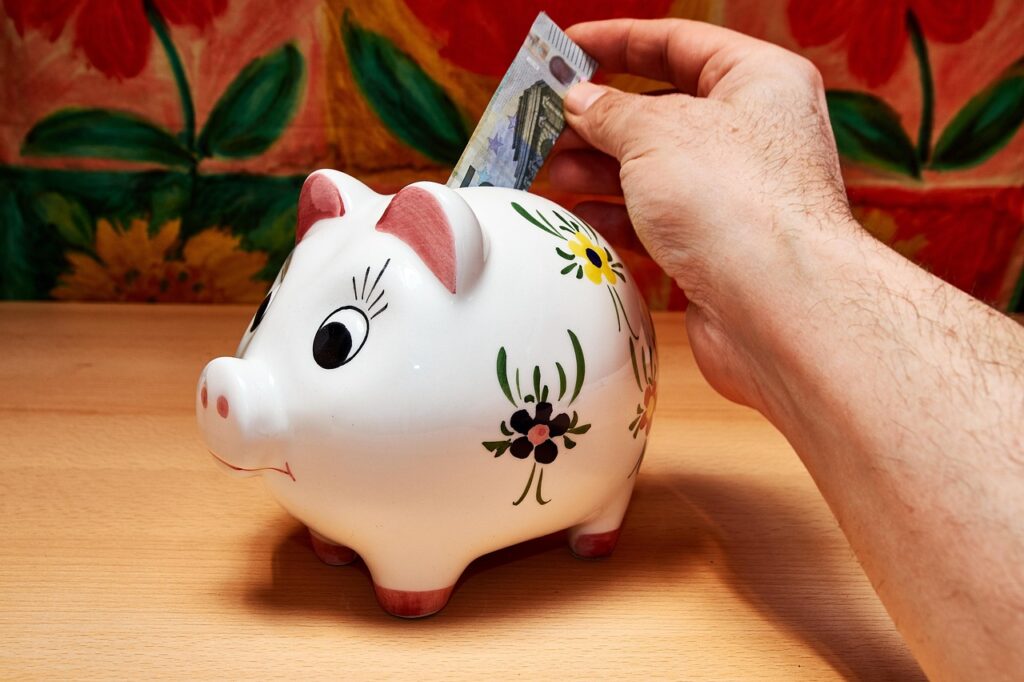
Saving is very simple: it’s when you don’t spend all the money you get. You get paid, you pay your bills and buy food, and then you keep some of the money that’s left over instead of spending it right away.
You put it somewhere safe (a bank account, a jar, an envelope under your bed, or a special investment account) so it’s there when you need it later.
Saving is like packing a lunch instead of buying it every day. You spend a little time and effort now (putting money aside), so later you have something good waiting for you instead of being hungry and broke.
Saving is the opposite of “buy now, worry later.” It’s choosing to be the boss of your money instead of letting your money boss you around.
Saving doesn’t mean you never spend. It just means you spend on purpose. You decide what’s worth it today and what’s worth waiting for tomorrow.
Saving can be tiny and still work. Ten dollars in a jar today, twenty dollars next week — it’s still saving. Little drops fill the bucket.
Saving is also a habit, not a talent. Nobody is born good at it. You just start doing it one day, then keep doing it, and suddenly you’re the person who “always has money saved.”
Saving is quiet power. It doesn’t make noise like a new phone or fancy clothes, but it gives you choices nobody can take away.
Saving is caring about Future You. Right-Now You wants the new shoes. Saving is when you love Future You enough to say, “Here’s some money so life is easier for you later.”
Even kids understand saving. They save coins for a toy, skip candy today so they can buy the big Lego set next month.
Grown-up saving is exactly the same idea, just with bigger toys (like houses, trips, or freedom).
In the simplest words possible: Saving = keeping some of today’s money for tomorrow’s you. That’s all. And that small habit changes everything.
Read More – When Should You Save for Retirement
Why Saving is Important ?
Saving is important for people to secure their financial life , let`s know how it is important
It stops one bad day from destroying your whole life – Imagine your car dies on Monday, your dog eats something stupid on Wednesday, and your boss cuts your hours on Friday. Without savings, you’re crying, borrowing, or selling stuff.
With savings, you just pay the bills and keep breathing. That’s not “nice to have.” That’s survival.
It ends the “paycheck-to-paycheck” nightmare – When you have zero saved, the week before payday feels like running out of oxygen.
You check your bank account ten times a day. A tiny savings cushion (even one month of bills) turns that panic into “I’m fine.” Suddenly life feels 100 kg lighter.
It gives you real freedom – Freedom to leave a job you hate without starving. Freedom to say no to a rude boss or a toxic friend who wants money.
Freedom to move cities, help your parents, or take six months off to figure out your life. Savings = options. No savings = trapped.
It lets you grab amazing chances when they show up – Your dream house goes on sale. A cheap flight to Japan pops up.
Your friend is getting married in Italy. The best online course is 50 % off for 24 hours. People with savings jump and shout “YES!” People without savings watch the chance disappear and feel sick for weeks.
It protects the people you love – If your mom gets sick, your kid needs braces, or your brother loses his job, you want to be the person who can help—not the one who also needs help. Saved money turns you into the reliable one in the family.
Saving money is the cheapest way to buy peace, freedom, pride, and a better future. It’s not about the money itself—it’s about the life you get to live because the money is there when you need it.
Even $5 or $10 a week matters. Start stupidly small if you have to. Future You will thank Present You every single day.
What Do People Save Money For ?
As you know saving money is important to save your financial life from future financial liabilities. Most people aren’t saving to become millionaires.
They’re saving for ordinary stuff that feels huge when it’s your life. Here are the main things you’ll hear if you ask around:
Emergencies and Safety Nets
Life loves to surprise us – and not always in a good way. A car breaks down, someone gets sick, or you suddenly lose your job. That’s why the first thing most people save for is an emergency fund.
- Usually people aim for 3–6 months of living expenses.
- It’s money you hope you never touch, but it feels good knowing it’s there.
- Without it, one bad month can push you into debt or stress.
Many people keep this money in a separate savings account so they’re not tempted to spend it on random things. Some even call it their “no-stress fund” or “sleep-well-at-night money.”
Real stories are everywhere: a friend’s washing machine died the same week their dog needed surgery – $2,500 gone in two days. People who had savings just shrugged and moved on; others had to borrow or sell stuff.
Even a small emergency fund of $1,000 can stop most small disasters from becoming big ones.
Once the first $1,000 is saved, the next goal is usually one month’s salary, then three, then six. It’s slow, but every paycheck adds a little more safety.
Buying a House or Apartment
For many people, owning a home is the biggest reason they save. You need a down payment (usually 5–20% of the house price) and extra cash for closing costs, furniture, and repairs.
First-time buyers often start saving years in advance because house prices keep going up. Some cut eating out, cancel subscriptions, or take second jobs just to hit that down-payment goal faster.
In expensive cities, young people team up with friends or parents to buy together – everyone saves for their share.
After the house is bought, many keep saving because new homeowners quickly learn that “something always needs fixing.”
Weddings
Love isn’t cheap! A lot of couples (or their parents) save for years to pay for the dress, venue, food, and honeymoon.
The average wedding now costs more than a good used car. Some couples skip the huge party and save the money for a house instead – they call it “marriage over wedding.”
Others want the big celebration, so they open a special “wedding fund” and put in $100–$500 every month.
Many brides and grooms say the best feeling is writing checks on their wedding day knowing it’s their own money, not debt.
Starting a Family
Babies come with diapers, daycare, medical bills, and college funds later on. Smart parents start saving before the baby even arrives.
Pregnancy and delivery can cost thousands, even with insurance. Daycare for one child can easily eat half a paycheck.
Parents often start a “baby fund” the moment they see the positive test. Some grandparents open savings accounts for the new grandchild as soon as they hear the news.
The earlier you start, the less scary those big baby bills feel.
Travel and Experiences
Not every savings goal is serious. Plenty of people save just to enjoy life.
- Dream vacations (Bali, Europe, Japan, or even a road trip across the country)
- Music festivals and concerts
- Visiting family who live far away
Some people have a “travel jar” on the kitchen counter – every $5 or $10 bill goes in.
Others automatically transfer $50 from every paycheck into a “fun trips” account. After two or three years, that money turns into flights, hotels, and memories.
Many travelers say the excitement of watching the travel fund grow is almost as good as the trip itself. Even small weekend getaways feel special when you paid for them with money you saved on purpose.
Education
Knowledge costs money, and many people save so they (or their kids) can get it.
- College or university tuition
- Private school fees
- Online courses, certifications, or learning a trade
- Studying abroad
Parents often open college savings accounts the week their child is born. Some kids start saving their own money from birthday gifts and part-time jobs.
Adults go back to school later in life and save for years to avoid huge student loans. Even short courses ($500–$2,000) can lead to better jobs, so people skip vacations for a year or two to pay for them.
The feeling of graduating without debt (or helping your kid do it) is worth every sacrificed coffee and movie night.
Retirement – The Long Game
When you’re young, retirement feels a million years away. But the earlier you start saving, the less you have to put aside each month.
People save for retirement so they can:
- Stop working one day and still pay bills
- Travel or pursue hobbies when they’re older
- Not depend only on government pension (which is often small)
Many companies match part of what you put into retirement accounts – that’s literally free money.
Someone who starts at 25 might only need to save $300 a month to retire comfortably; wait until 40 and it jumps to $1,000+.
Retirement savings grow on their own over decades because of compound interest – money making more money while you sleep.
Older people who didn’t save often say their biggest regret is “not starting at 22.” Young people who do save feel proud every time they check their growing balance.
Starting a Business or Side Hustle
Some people don’t want to work for someone else forever. They save up so they can:
- Open a café, shop, or online store
- Become a freelancer and quit their 9-to-5
- Invest in stocks, real estate, or crypto
Most successful businesses start with personal savings, not bank loans. People often save for 6–12 months of living expenses before they quit their job – that’s their “runway.
” Side-hustle money gets saved and then rolled into the real dream (turning an Etsy shop into a full-time brand, for example).
Having savings removes the panic of “I have to make money this month or we don’t eat.” It gives you the freedom to say no to bad clients and yes to big opportunities.
Paying Off Debt Faster
This one feels a little backwards, but it’s common. People save a small emergency fund first, then throw every extra dollar at loans and credit cards so they become debt-free sooner.
Once the debt is gone, the money that used to go to payments suddenly becomes savings or fun money.
People who pay off big debts often feel a huge weight lift off their shoulders.
Many keep the same frugal habits even after the debt is gone and watch their savings grow super fast. Being debt-free feels like getting a massive raise without changing jobs.
Just Because – Peace of Mind
Some people save simply because it makes them feel safe and in control. They like seeing the number in their bank account grow.
It’s not always for something specific. It’s the feeling that says, “I’ve got options.” This money can turn into “I can leave a bad job” or “I can help a friend in trouble.
” People who grew up poor often save the most – they never want to feel that worry again. Others just enjoy the game of watching the balance go up every month.
Whatever the reason, a growing savings account is one of the best stress-relievers in the world.
How Much to Save Per Month ?
Saving every month isn’t about hitting some magic number that works for everyone — it’s about what makes sense for your life right now.
A simple, human way to think about it is this: try to save at least 20% of whatever money you bring home after taxes.
If you take home $4,000 a month, that’s $800 going straight to savings or investments before you pay bills or buy anything else.
That 20% rule (sometimes called the 50/30/20 rule) leaves 50% for needs (rent, food, transport, bills) and 30% for wants (eating out, hobbies, Netflix, coffee). It’s a guideline that has worked for millions of normal people.
But honestly, life isn’t always that neat. If you’re just starting out, earning less, paying off debt, or living in an expensive city, 20% might feel impossible — and that’s okay.
Start with whatever doesn’t hurt: 5%, 10%, even 1%. The most important thing is to make it automatic (set up a direct transfer the day your paycheck hits) so you never see the money and never have the chance to spend it.
People who save first almost always end up with more money than people who try to save “whatever is left” at the end of the month (because there’s usually nothing left).
Think of your savings in layers, like an onion:
- First, build a small emergency fund — 3–6 months of basic living expenses. Until that’s done, put as much as you can toward it. This is your “I won’t go into debt if the car breaks or I lose my job” money.
- Once the emergency fund feels safe, keep saving 10–15% for retirement (especially if your job matches contributions — that’s free money).
- After that, save for the big things you actually want: a house down payment, a wedding, kids’ education, a dream trip, starting a business, whatever lights you up.
Real-life example: A friend of mine earns about $3,500 take-home.
She saves $700 a month automatically ($200 to emergency/retirement, $300 to a house fund, $200 to a “fun big stuff” account).
She still goes out, travels once a year, and buys the occasional dumb thing on Amazon.
It’s not deprivation; it’s just deciding in advance where her money goes instead of wondering where it went.
Bottom line:
- Ideal world → 20% of take-home pay.
- Real world → Whatever you can do consistently without hating your life.
- Bare minimum → Something. Anything. Even $50 a month that you never touch will grow into thousands over the years.
Start small, make it automatic, increase it when you get a raise or when life gets easier.
Ten years from now, your future self will thank you like you just handed them a winning lottery ticket — except you actually earned it, one boring paycheck at a time.
Read – Is Money Market Account a Saving Account ?
Read – Common Money Saving Advice That Doesn`t Work
Conclusion
Everyone has their own mix of reasons. Some are saving for diapers and daycare, others for a round-the-world ticket or a quiet retirement by the lake.
The important thing is that they’re saving – even if it’s just $20 a week.
Small amounts add up, habits stick, and one day you wake up and realize you’re ready for whatever life throws at you (or whatever dream you want to chase).
That’s the real magic of saving money.
FAQs
What Do Most Americans Save For First ?
Emergencies — things like sudden job loss, doctor bills, fixing the car, or home repairs. Many try to keep 3 to 6 months of living costs saved, but a lot of people don’t have that much yet.
Why Save Money For Retirement ?
To have enough cash to live nicely when they stop working — cover rent, food, fun, and healthcare without depending only on Social Security.
Most use plans like 401(k) or IRA, but plenty worry they’re not saving enough.
What Expensive Things Do People Save Up To Buy ?
The big ones are:
- A house (usually the first payment/down payment)
- A new or used car
- A fun vacation or trip
- Fixing up the house or buying new furniture and appliances
Do People Save Money For Their Kids ?
Yes — often for college costs (using special 529 savings plans), future weddings, or to give them a helpful start (like money for their first apartment or car).
Do People Save For Just One Goal or Many ?
Almost everyone saves for more than one thing — emergencies come first, then retirement, maybe a trip, or paying off loans. Many put a small amount aside every month automatically.

I am Ranjeet Tiwari from Dhanbad, Jharkhand. I have 5 years of experience in the finance industry. I worked and researched in finance and gained a lot of knowledge about finance. In November 2025, I decided to share a people’s financial guide through my website (https://finfilla.com/) that will help them to achieve financial freedom in their lives, and this is the main motive for starting this website.